What Roof Removal Involves and When It’s Necessary
People searching for what roof removal involves and when it’s necessary are often looking to replace or repair their roofs, and local contractors can handle the job safely and efficiently.
Understanding what roof removal involves and when it’s necessary can help property owners make informed decisions about their buildings’ upkeep and renovation projects. Whether dealing with extensive damage, outdated materials, or preparing for a roof replacement, knowing the process can clarify what to expect and why professionals might be needed. Local contractors experienced in roof removal can assess the condition of a roof, identify underlying issues, and ensure the job is handled safely and efficiently, giving property owners peace of mind during what can be a significant project.
For many property owners in the area, exploring when roof removal is necessary is a practical step toward maintaining the integrity and safety of their buildings. Situations such as severe weather damage, persistent leaks, or structural concerns often require a thorough removal process before new roofing can be installed. Service providers in the community are equipped to handle these situations, offering expert guidance and skilled workmanship to ensure the job is done correctly. Continuing to learn about what roof removal involves can help property owners determine the right timing for professional assistance and keep their properties in top condition.
- Complete roof removal - needed when old roofing materials are severely damaged or when a full replacement is required, and local contractors carefully plan the process to ensure structural integrity.
- Partial roof removal - appropriate for repairs or upgrades to specific sections of a roof, with service providers efficiently removing only the affected areas to minimize disruption.
- Roof tear-off for renovation - necessary during home remodels or additions that require exposing the underlying structure, with pros managing the removal to prepare for new roofing installation.
- Emergency roof removal - performed when storm damage or sudden issues compromise safety, with local experts swiftly removing hazardous materials to protect property and occupants.
- Asphalt or shingle roof removal - conducted when replacing aging or damaged asphalt shingles, with service providers ensuring proper disposal and preparation for new roofing materials.
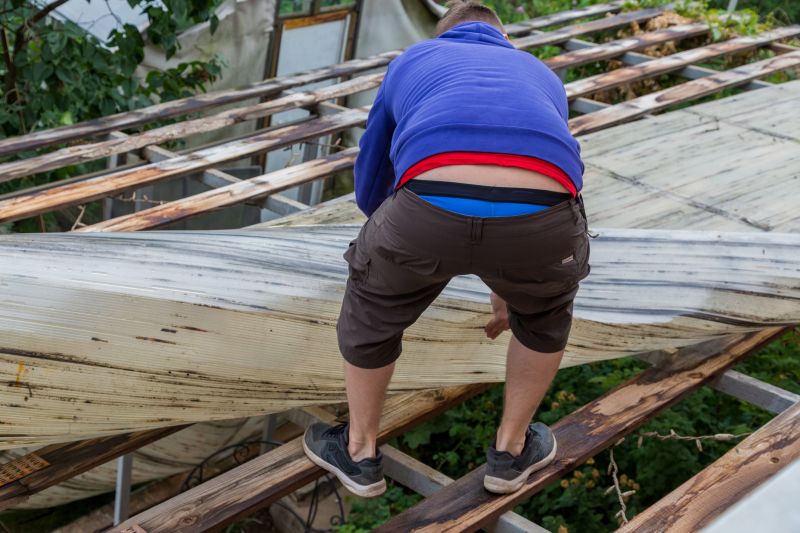
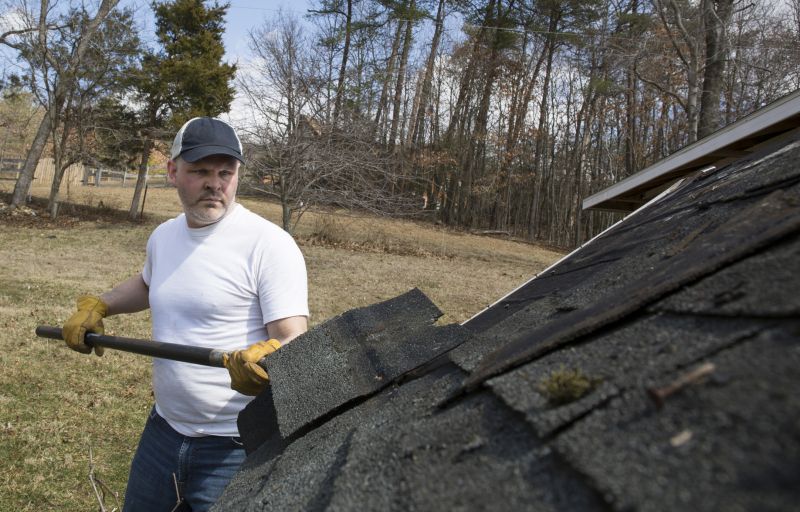
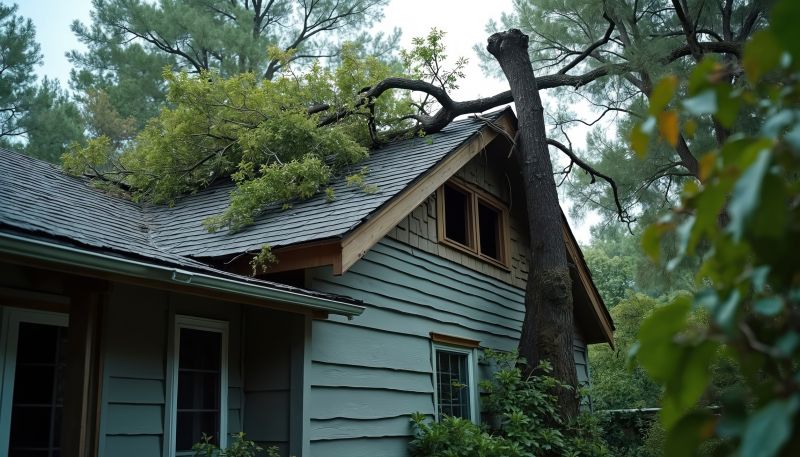
Understanding what roof removal involves and when it’s necessary helps homeowners make informed decisions about their property projects. Typically, roof removal refers to the process of stripping away the existing roofing materials to prepare for a new installation or significant repair. This process often includes carefully dismantling shingles, flashing, underlayment, and sometimes parts of the underlying structure. Homeowners searching for this topic are usually considering a roof replacement, either because the current roof has reached the end of its lifespan, suffered extensive damage, or they are planning a major renovation that requires a new roof design. Knowing what’s involved can clarify expectations and highlight the importance of professional service providers who have the experience and tools to perform this work safely and efficiently.
Roof removal often relates to addressing specific problems or fulfilling particular plans for a property. For instance, a roof that has developed extensive leaks, mold, or structural issues may need complete removal to ensure the underlying framework is sound before a new roof is installed. Additionally, some homeowners opt for roof removal when upgrading to different roofing materials or styles that require a different base structure. It can also be part of larger renovation projects, such as adding dormers or extending the roofline. When searching for this service, many are trying to understand whether their property qualifies for a full roof removal or if repairs might suffice. Local contractors who specialize in roof removal can assess the existing roof’s condition and advise on whether removal is necessary based on the property's unique needs.
Properties that typically come up in discussions about roof removal include residential homes, especially those with aging or damaged roofs, as well as commercial buildings undergoing renovations or upgrades. Residential properties often include single-family homes, townhouses, and multi-story dwellings where the roof’s condition directly impacts safety and energy efficiency. Commercial properties, such as retail stores, office buildings, or warehouses, may also require roof removal when installing new roofing systems or dealing with structural issues. The scope of roof removal can vary depending on the property size and type, but the core goal remains the same: to create a solid foundation for a durable, long-lasting roof. Local service providers are equipped to handle the specific demands of different property types, ensuring the work is completed safely and correctly.
For homeowners considering roof removal, understanding when it’s necessary is key to planning a successful project. Generally, roof removal becomes necessary when the existing roof is beyond repair, has suffered extensive damage from storms or aging, or when a new roofing material or design is desired that cannot be installed over the current roof. It’s also essential when structural issues are present, such as rotting wood or compromised framing, which require complete removal to address underlying problems. Engaging with experienced local contractors can help determine if a full roof removal is the right step and ensure the process is handled properly. Proper removal not only prepares the property for a new roof but also minimizes potential issues during installation, contributing to the overall longevity and safety of the new roofing system.
Roof replacement projects involve removing existing roofing materials, similar to roof removal services, and require careful planning and skilled handling to ensure proper installation of new roofing systems.
Attic insulation upgrades often require removing sections of the roof or ceiling to access the roof structure, making them related projects that benefit from similar planning and safety considerations.
Chimney removal and repair involves working at heights and requires precise planning, comparable to roof removal tasks, especially when dealing with roof penetrations or structural elements.
Skylight installation or removal involves cutting and sealing roof openings, which shares techniques and safety measures with roof removal processes, and often requires coordination with roofing professionals.
Gutter replacement and repair may involve working along the roof edge and require understanding of roof structure, aligning with the skills used in roof removal projects.
Roof deck replacement involves removing and replacing the underlying structural elements of a roof, closely related to roof removal services in terms of planning, tools, and safety procedures.
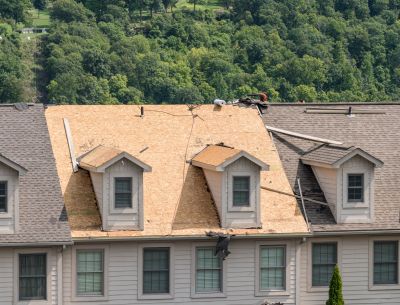
When evaluating service providers for roof removal, it is important to consider their experience with similar projects. Homeowners should look for local contractors who have a proven track record of handling roof removals comparable in scope and complexity to their own. An experienced professional is more likely to understand the intricacies involved in safely and efficiently removing roofing materials, especially when dealing with different roof types or older structures. By reviewing previous work or seeking references, homeowners can gain insight into the contractor’s familiarity with the process and their ability to manage the specific challenges that may arise during roof removal.
Clear written expectations are essential when comparing local contractors for roof removal services. Homeowners should ensure that the scope of work, materials involved, and any necessary preparations or post-removal steps are explicitly outlined in the project details. This helps prevent misunderstandings and provides a basis for evaluating proposals. Service providers who communicate their process and what the homeowner can expect at each stage demonstrate professionalism and transparency, making it easier to assess their suitability for the project. Well-documented expectations also serve as a reference point should any questions or issues emerge during the work.
Reputable references and effective communication are key factors in choosing the right local pros for roof removal. Homeowners should seek out contractors with positive references from previous clients, especially those who have had similar roof removal projects completed successfully. Good communication throughout the process ensures that homeowners stay informed about progress, potential issues, and any adjustments needed. Service providers who are responsive and willing to answer questions can help homeowners feel more confident about the work being performed. Overall, these qualities contribute to a smoother project experience and help ensure that the roof removal is handled professionally and efficiently.
Property owners often search for what roof removal involves and when it’s necessary when they are planning practical projects around their homes and businesses. Local pros provide Roof Removal services for everyday jobs and straightforward project options.
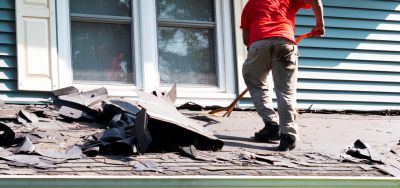

Understanding what roof removal involves and when it’s necessary can help property owners make informed decisions about their roofing projects. Typically, roof removal is part of a larger process like roof replacement, which may be needed if the existing roof has sustained significant damage, such as leaks, rot, or structural issues. Homeowners or business owners might search for this information when preparing for a roof overhaul or when inspecting their roof and noticing signs of deterioration. Local contractors specializing in roof removal can assess the condition of the existing roof, determine if removal is required, and handle the process safely and efficiently to ensure the new roofing system is installed correctly.
In many cases, roof removal becomes necessary during renovations or when upgrading to a different roofing material. It’s also common when old roofing materials have reached the end of their lifespan or have been compromised by weather events. Property owners might look into roof removal services to address issues like mold, mildew, or extensive damage that can’t be repaired through simple patching. Consulting with experienced service providers ensures that the removal process is carried out properly, laying the groundwork for a durable and properly installed new roof.
What does roof removal involve? Roof removal typically involves stripping away the existing roofing materials to access the underlying structure. Local contractors use specialized tools and safety measures to ensure the process is completed efficiently and safely.
When is roof removal necessary? Roof removal is necessary when the existing roof is severely damaged, has widespread leaks, or needs to be replaced to support new roofing materials or upgrades. Professionals can assess the condition to determine if removal is the best option.
Are there different types of roof removal services? Yes, roof removal services can vary depending on the roof type, size, and condition. Local service providers can tailor their approach to suit residential or commercial roofs and specific project requirements.
What should I consider before hiring a roof removal service? It’s important to evaluate the experience of local contractors, their safety practices, and their ability to handle the specific type of roof on the property. Proper assessment ensures the job is done correctly and efficiently.
How do professionals determine if roof removal is necessary? Professionals inspect the roof’s condition, including structural integrity, material damage, and overall safety. Based on this assessment, they recommend whether removal and replacement are needed to ensure the roof’s longevity and performance.
Assessing roof condition - property owners should evaluate signs of damage or aging to determine if roof removal is necessary before installing a new roof.
Understanding removal processes - knowing what roof removal involves helps property owners prepare for potential disruptions and ensures proper planning with local contractors.
Identifying when replacement is needed - recognizing situations such as extensive damage or structural issues can guide property owners to seek roof removal services at the right time.
Planning for disposal and recycling - considering how old roofing materials will be handled allows property owners to coordinate with service providers for proper disposal or recycling options.
If you are thinking about what roof removal involves and when it’s necessary for a property, this guide is meant to help you understand this topic, the typical project types, and how different options might fit your plans.
When you are ready, you can use the quote form on this page to share a few details about your project. From there, local pros can review the basics and follow up with options that match what you have in mind.